
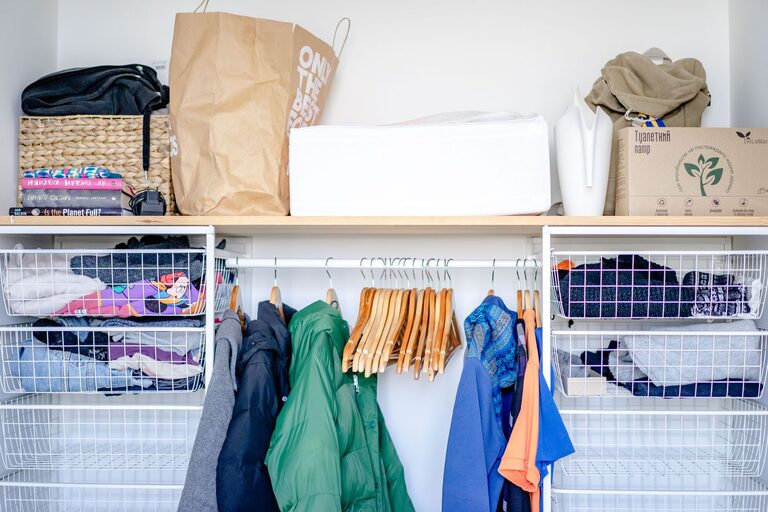
Storing seasonal clothes efficiently can save you space, protect your garments, and reduce the stress of wardrobe transitions. Whether you’re putting away winter coats or summer dresses, having a system in place makes the process smoother and keeps your clothes in great shape until you need them again.
In this post, we’ll explore simple, effective methods to store your seasonal clothing that work for any home.
Why Proper Seasonal Storage Matters
When clothes are packed away without care, they can become wrinkled, stained, or damaged by pests and moisture. Proper storage preserves fabric quality and extends the life of your garments. It also helps to keep your living space clutter-free and your closet organized year-round.
Preparing Clothes Before Storage
Before you pack clothes away, preparation is key.
Clean Everything
Make sure to wash or dry clean all items. Dirt, sweat, and stains can set in over time and attract moths or bugs. Clean clothes will also smell fresh when you retrieve them.
Repair and Sort
Check for missing buttons, loose threads, or tears and fix them before storing. Sort clothes by type or season to make unpacking easier later.
Dry Completely
Ensure all items are completely dry to prevent mold or mildew growth during storage.
Choosing the Right Storage Solutions
The containers or spaces you use can make a big difference.
Use Breathable Containers
Cotton storage bags or fabric bins allow air circulation, helping to keep clothes fresh. Avoid plastic bags, which can trap moisture and cause mildew.
Clear Plastic Bins for Visibility
If you prefer plastic bins, choose clear ones with secure lids. This way, you can see what’s inside without opening every box.
Vacuum-Seal Bags for Space Saving
Vacuum bags compress bulky clothes like sweaters and coats, saving space. However, avoid long-term vacuum storage for delicate fabrics like silk or wool.
Cedar or Lavender Sachets
Place natural moth repellents like cedar blocks or lavender sachets inside storage containers to discourage pests without harmful chemicals.
Organizing Your Storage Space
Efficient organization helps you find items quickly when the season changes.
Label Everything
Use labels or tags on bins and bags to identify contents without opening them. Include details like type of clothing and season.
Store by Category
Group similar items together — for example, store all winter accessories separately from heavier coats.
Keep Frequently Used Items Accessible
If you swap clothes mid-season, keep transitional pieces in easier-to-reach places.
Optimal Storage Locations
Where you store your clothes affects their condition.
Cool, Dry, and Dark Areas
Choose storage spots that are cool and dry to avoid heat and moisture damage. Basements and attics may be risky due to humidity or temperature fluctuations unless well-insulated.
Closets and Under Beds
Use spare closet space or under-bed storage bins as convenient options that keep clothes readily available.
Tips to Maintain Clothes During Storage
Air Out Clothes Occasionally
If possible, take stored clothes out every few weeks to air them and check for any issues.
Avoid Overpacking Boxes
Leaving some space allows air circulation and helps prevent wrinkles.
Use Acid-Free Tissue Paper
For delicate garments, layer with acid-free tissue paper to avoid creasing and color fading.
When It’s Time to Bring Clothes Back
Before unpacking, clean your storage area and vacuum the space where you will place your clothes. Inspect each item as you unpack to address any fresh stains or repairs before wearing.
—
Storing seasonal clothes efficiently requires some planning and care, but the benefits are worth it. Clear organization, proper storage materials, and well-chosen locations will keep your wardrobe in excellent shape and make dressing for any season a breeze.
By adopting these tips, you’ll enjoy a more organized closet and prolong the life of your favorite pieces year after year!