
Reducing food waste at home is a smart way to save money, minimize environmental impact, and make the most of the food you buy. Each year, millions of tons of food are wasted worldwide, and much of this waste comes from household kitchens. Fortunately, with a few mindful practices and small adjustments to your daily routine, you can significantly cut down on food waste. Here are some practical ways to get started.
Understand the Impact of Food Waste
Before diving into the tips, it’s helpful to understand why reducing food waste matters. Food waste not only wastes money but also contributes to greenhouse gas emissions when discarded food decomposes in landfills. By reducing waste, you’re making a positive impact on the environment and improving your household’s budget.
Plan Your Meals and Shopping
Create a Weekly Meal Plan
Planning meals ahead helps you buy only what you need. Decide on recipes for the week and write a detailed shopping list. This reduces impulse buys and excess food that might eventually go to waste.
Shop with a List and Stick to It
Before heading to the store, check your pantry and fridge to know what you already have. Use a list to avoid buying duplicates or items you won’t use. Shopping with a list also helps prevent overbuying perishable items.
Store Food Properly
Use Clear Containers
Transfer leftovers and opened products into clear, airtight containers. Label them with dates so you know when to use them before they spoil.
Understand Storage Guidelines
Different foods require different storage methods. For example, leafy greens last longer if wrapped in a paper towel inside a container, while bread fares best when frozen if not used quickly. Learning proper storage techniques extends the life of your food.
Use Leftovers Creatively
Repurpose Leftovers
Transform leftovers into new meals. Leftover roasted vegetables can be added to soups or frittatas, stale bread can become croutons, and extra rice can be turned into fried rice.
Schedule Leftovers Nights
Set aside one night each week to eat any leftover food. This helps clear your fridge and avoids throwing away uneaten meals.
Manage Portions and Serve Wisely
Serve Smaller Portions
Often, large portions lead to uneaten food being discarded. Serve smaller amounts and allow seconds if still hungry. This reduces plate waste.
Encourage Mindful Eating
Encourage family members to only take what they plan to eat. This simple habit decreases the chance of food being left uneaten on plates.
Preserve Excess Food
Freeze Surplus Items
If you buy or prepare too much food, freeze the extras. Many fruits, vegetables, and cooked meals freeze well and can be enjoyed later without loss of flavor or nutrition.
Learn Preserving Techniques
Try pickling, drying, or canning seasonal produce. Preserving food extends its shelf life and helps you enjoy ingredients beyond their usual freshness window.
Monitor Expiration Dates
Understand “Best By” and “Use By”
“Best by” dates often indicate quality rather than safety. Use your senses to determine if food is still good beyond this date, reducing premature disposal.
Organize Your Fridge and Pantry
Place newer items behind older ones so you use older products first. This simple rotation helps prevent forgotten food from spoiling.
Compost Food Scraps
Use a Compost Bin
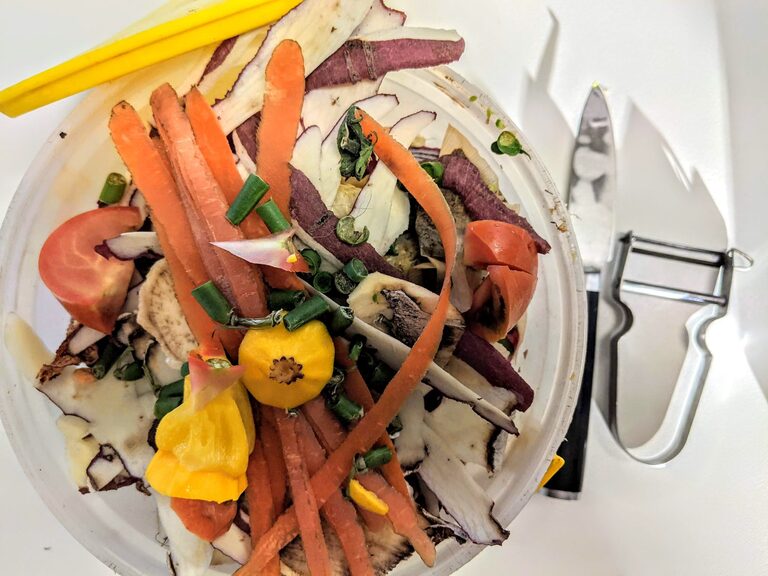
Even with best efforts, some food scraps are unavoidable. Composting vegetable peelings, coffee grounds, and eggshells turns waste into nutrient-rich soil for your garden.
Learn What Can and Cannot Be Composted
Avoid composting meat, dairy, or oily foods that can attract pests. Stick to plant-based scraps and see your food waste transformed into a valuable resource.
Educate and Involve Your Household
Share Food Waste Facts
Teach family members about the impact of food waste and involve them in waste reduction strategies. Everyone can contribute to better habits.
Make Waste Reduction a Fun Challenge
Track your household’s food waste for a week and look for ways to improve. Celebrate progress to keep motivation high.
Conclusion
Reducing food waste at home doesn’t require major lifestyle changes—just small adjustments and mindful habits. By planning meals, storing food properly, using leftovers creatively, and composting scraps, you’ll save money and help the environment. Start with one or two of these tips and gradually build your food-saving routine. Every bit of effort counts toward a more sustainable kitchen and planet.